

The Complete Guide to Super 8 Film Processing & Scanning (2026)
Shooting Super 8 film is only half the journey. Once you have exposed your cartridge, the next step is getting it developed and digitally scanned so you can watch, edit, and share your footage. If you are new to shooting Super 8, the world of film processing can feel unfamiliar — but it is simpler than it looks, and understanding your options will save you both money and frustration.
This guide covers everything a first-time or returning Super 8 shooter needs to know: how the processing workflow works, which independent U.S. labs are currently accepting Super 8 film, what to expect to pay, and how to choose the right scan resolution for your project.

How Super 8 Film Processing Works
Super 8 film is a photochemical medium. After you shoot, the film inside the cartridge contains a latent image — a chemical record of everything you filmed — that must be developed in a lab before it becomes visible. This is called processing.
Once the film is processed, it is run through a high-resolution film scanner that captures each frame as a digital image and assembles them into a video file. This is called scanning. Most labs offer processing and scanning as a combined service, and the resulting files are delivered to you as a digital download.
The most common film types you will encounter for Super 8 are:
•Color Negative (ECN-2): The most widely used format today. Stocks like Original Wolfen Color 400 and Wolfen Color 200 are color negative films. They are processed using the ECN-2 or C-41 chemical process and produce rich, cinematic color footage.
•Color Reversal (E-6): Produces a positive image directly on the film. Kodak Ektachrome is the most well-known reversal stock. Requires E-6 processing.
•Black and White Negative/Reversal: Processed using standard black and white chemistry. Stocks like Original Wolfen UN54 BW fall into this category.
Understanding Your Workflow Options
When it comes to getting your Super 8 film processed, there are two general approaches you will encounter.
The Bundled Approach: Some retailers sell Super 8 film as part of an all-in-one package that includes the film, processing, and scanning in a single upfront price. This can be appealing for first-time shooters who want a simple, single-transaction experience. However, bundled packages typically cost between $90 and $170 per cartridge depending on scan resolution, and they lock you into a specific lab and scan resolution. Some bundles also include expiration clauses on the processing credit, meaning the service must be redeemed within a set timeframe.
For standalone processing and scanning at a full-service bundled lab — using your own film — a 4K scan with digital delivery and return shipping typically runs $150 or more per cartridge.
The Open Workflow: The open workflow separates the purchase of the film from the processing. You buy your film from a retailer, shoot it on your own timeline, and then send it directly to an independent motion picture lab of your choosing. This approach gives you complete control over which lab handles your film, which scanner is used, and what resolution and file format you receive. It is also typically more cost-effective.
For example, purchasing a cartridge of Original Wolfen Color 400 Super 8 Film from Askem8 at $39.99 and sending it to an independent lab for processing and a 2K scan brings your total to approximately $65–$78 out of pocket — and a 4K scan to approximately $70–$90 — well below what the same service costs at a full-service bundled lab, with full flexibility over every step of the process.

Cinelab | New Bedford, MA
Process + 2K Scan: $50.00/cart (Pro) / $45.00/cart (Student/Indie)
Process + 4K Scan: $70.00/cart (Pro) / $65.00/cart (Student/Indie)
Scanner: Lasergraphics ScanStation (up to 5K)
Accepts Mail-In?: Yes
Fall 2026 Turnaround Update: CineLab currently lists Super 8 turnaround at approximately 1–3 weeks, with Ektachrome E6 color reversal and 8mm film requiring slitting listed around 2–4 weeks. Customers should contact the lab directly before mailing film for the most current estimate.
Est. out-of-pocket: ~$72–$75 for 2K, ~$87–$92 for 4K

The Negative Space | Littleton, CO
Process + 2K Scan: $50.00/cart
Process + 4K/6.5K Scan: $55.00/cart
Scanner: Lasergraphics 6.5K HDR ScanStation
Accepts Mail-In?: Yes
Est. out-of-pocket: ~$65 for 2K, ~$70 for 4K

Negativeland Film | Ridgewood, NY
Process + 2K Scan: $55.00/cart
Process + 4K/6.5K Scan: $75.00/cart
Scanner: Lasergraphics ScanStation
Accepts Mail-In?: Yes (+ drop-off)
Fall 2026 Turnaround Update: Negativeland is currently advising that Super 8 color-negative processing and scanning is severely delayed due to high volume, with customers expected to wait approximately 12 weeks. Customers should contact the lab directly for the most up-to-date turnaround estimate before mailing film.
Est. out-of-pocket: ~$78 for 2K, ~$130 for 4K
Current Super 8 processing and scanning rates: Cinelab (New Bedford, MA) — $50/cart for 2K, $70/cart for 4K (Professional tier); $45/$65 Student/Indie tier. Negativeland Film (Ridgewood, NY) — $55/cart for 2K, $75/cart for 4K. The Negative Space (Littleton, CO) — $50/cart for 2K, $55/cart for 6.5K.
What you will actually spend: Once you add upload fees, digital delivery, and return shipping, expect to pay roughly $65–$78 for a 2K scan and $70–$130 for a 4K scan, depending on the lab. Costs vary based on file size and shipping origin.
Processing Kodak Super 8 Film
All of the independent labs listed above process Kodak Super 8 film stocks.
Kodak currently manufactures three Super 8 film stocks that are widely available:
Kodak Vision3 50D, 200T, and 500T (Color Negative) All three Vision3 stocks are color negative films processed using ECN-2 chemistry — the same process used for Original Wolfen Color 400 and Color 200. Every lab in the table above handles ECN-2 processing as their standard service. If you are shooting any Kodak Vision3 stock, you can send it to any of the labs listed and expect the same process + scan pricing shown in the table.
Kodak Tri-X 7266 (Black and White Reversal) Kodak Tri-X is a black and white reversal film processed using D-96 chemistry. It produces a positive image directly on the film, which can be projected or scanned. Most independent labs that handle Super 8 will process Tri-X, though it is worth confirming with your chosen lab before sending.
Kodak Ektachrome 100D (Color Reversal / E-6) Ektachrome is a color reversal film that requires E-6 chemistry. Not all labs offer E-6 processing.
Dwayne's Photo in Parsons, Kansas is currently one of the most accessible U.S. options for Ektachrome processing, offering E-6 development at approximately $12.00 per cartridge with scanning available separately.
Cinelab and some other full-service labs also offer E-6 processing — confirm availability and pricing directly with the lab.
A Note on Film Cost: Kodak Vision3 Super 8 cartridges currently retail between $47 and $62 per cartridge depending on the stock and retailer (Vision3 500T at approximately $47.59, Vision3 50D at approximately $49.95, and Vision3 200T at approximately $61.95 as of May 2026).
If you are looking for an alternative color negative stock with a distinct cinematic character at a competitive price point, Original Wolfen Color 400 and Color 200 are available in the United States through Askem8 at $39.99 per cartridge and are processed using the same ECN-2 chemistry as Kodak Vision3 — meaning any lab that processes Kodak will process Wolfen as well.

What Scan Resolution Do You Actually Need?
One of the most common questions from first-time Super 8 shooters is whether to pay for a 2K or 4K scan. Here is a straightforward breakdown:
2K (approximately 2048 × 1556 pixels) A 2K scan captures the full optical resolution of a Super 8 frame. Because the Super 8 frame is physically small (approximately 4.01mm × 5.79mm), the grain structure of the film is the limiting factor — not the scanner resolution.
For most projects, including social media content, short films, and wedding films, a 2K scan delivers excellent results and keeps costs lower.
4K (approximately 4096 × 3112 pixels) A 4K scan provides additional headroom for color grading, cropping, and stabilization in post-production.
If you are shooting a project that will be projected on a large screen, distributed commercially, or heavily color-graded, the additional resolution is worth the investment.
6.5K (oversampled) Labs like The Negative Space and Negativeland Film use Lasergraphics ScanStation hardware capable of scanning Super 8 at up to 6.5K and then downsampling to 2K or 4K.
This oversampling process reduces noise and produces a cleaner, more detailed final image even at 2K output. It is one of the reasons these labs are highly regarded in the Super 8 community.
How to Send Your Film to a Lab
Sending your Super 8 film to an independent lab is straightforward. Here is the standard process:
1. Protect the Exposed Cartridge Once you have finished shooting, the word "EXPOSED" will appear in the film window on the cartridge. Place it back in its original foil pouch or a small zip-lock bag to protect it from moisture. Do not open the cartridge.
2. Choose Your Lab and Fill Out the Order Form Visit your chosen lab's website, download their order form, and select your processing and scanning options. You will typically choose: processing chemistry (ECN-2 for Wolfen color negative), scan resolution (2K or 4K), output format (ProRes 422 HQ is standard), and delivery method (digital download or hard drive).
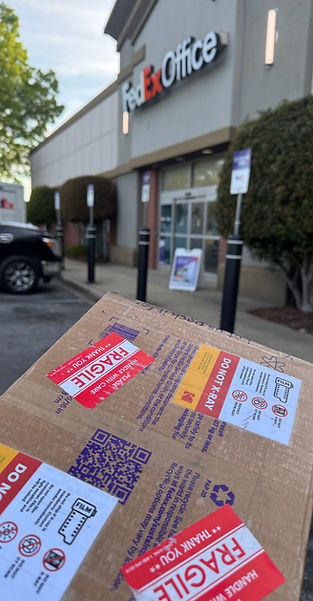
3. Pack and Ship Securely Place the film cartridge and the completed order form inside a sturdy cardboard box with packing material. Do not use padded envelopes — cartridges can be damaged in transit without a rigid box. Use a tracked shipping service such as UPS or FedEx, and keep your tracking number.
4. Receive Your Digital Files Once the lab has processed and scanned your film, they will send you a download link (typically via MASV, Google Drive, or WeTransfer) containing your video files. Most labs also return your physical film.